


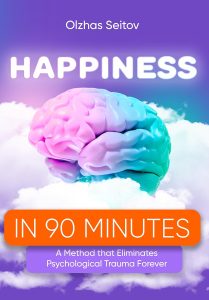
Happiness in 90 Minutes
A practical introduction to emotional pain, subconscious beliefs, and the...
Пейнхантинг — Олжас Сейітов әзірлеген құрылымдалған психологиялық көмек әдісі. Ол стандартталған жұмыс алгоритмі арқылы мәселенің терең эмоциялық себептерін анықтауға және өңдеуге бағытталған.
Әдістеме тәжірибелік кері байланыс пен ғылыми зерттеу негізінде дамып келеді. Оның тиімділігі NCT07490691 нөмірімен тіркелген рандомизацияланған клиникалық зерттеуде зерттелді.

Пейнхантинг — мазасыздықтың, депрессиялық күйлердің, қорқыныштың, қарым-қатынас мәселелерінің және қайталанатын өмірлік сценарийлердің негізінде жатуы мүмкін эмоциялық себептермен жұмыс істейтін психологиялық көмек әдісі.
Пейнхантер дайын жауаптар мен бағаларды таңбай, құрылымдалған алгоритм бойынша үдерісті сүйемелдейді.
How automatic assumptions form beneath awareness and shape reactions.
How linked events reinforce patterns until the underlying driver is seen.
Finding the formative moment that set a long-running emotional script in motion.
Working with pain as signal—not noise—so resolution can be integrative.
Why similar situations return until the subconscious structure behind them shifts.
Painhunting emerged from years of client work and structured observation—iterating language, maps, and session protocols until the method could be taught consistently.
Today it continues to evolve alongside practitioner feedback and research collaborations.
Painhunting spans multiple touchpoints—so clients, trainees, and partners can engage at the right depth.
A practical introduction to emotional pain, subconscious beliefs, and the...

Parenting with Precision is a practical parenting book for raising...

A practical introduction to emotional pain, subconscious beliefs, and the...
Painhunting is also moving toward research and academic exploration.
Research materials, observations, and future publications help build a deeper understanding of the method and its possible applications.
The Painhunting platform connects people seeking help with trained Painhunters. The website also includes:

Read the method, explore cases, discover books, or schedule a session to begin your journey toward emotional resolution.